Reality’s Gravity
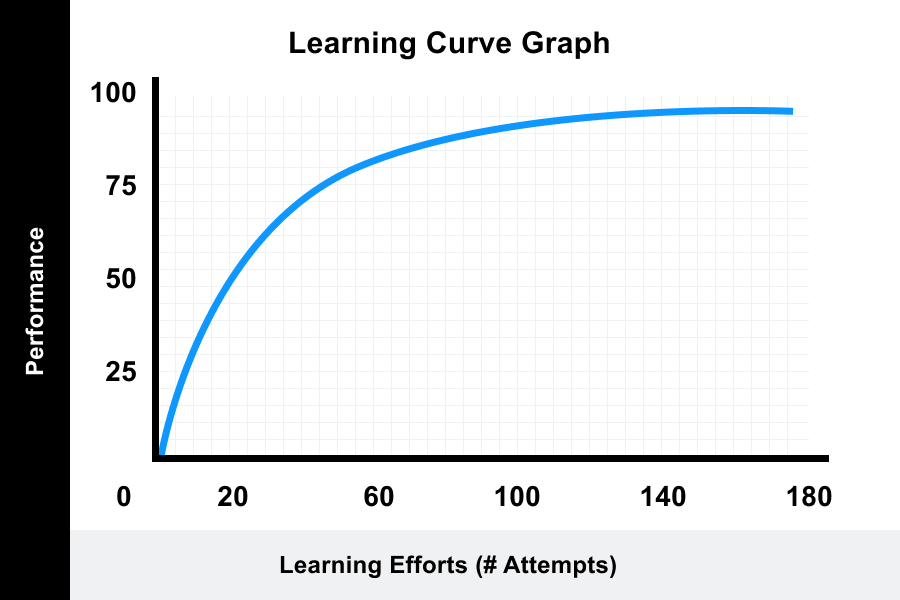
There is a curve that you see everywhere.
A wave, a rainbow, a sand dune.
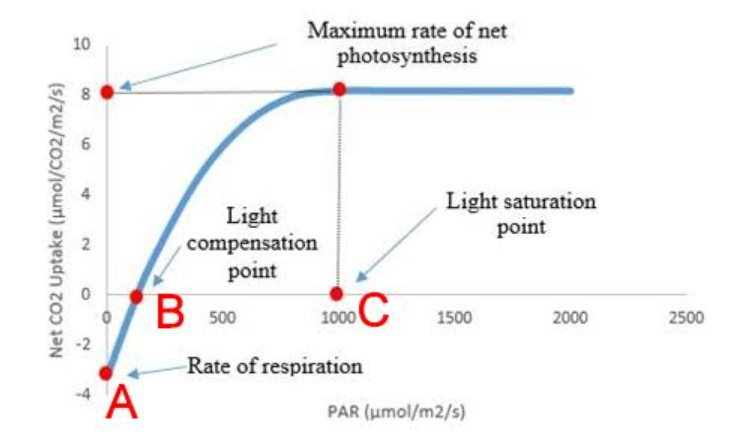
Rapid initial acceleration that levels off.
The force stops us blowing up. That limits our utilisation, our exploitation of a given way of moving forward.
That pulls us down, that challenges us to think of new ways to make progress.
I like to think of it as Reality’s Gravity.
Mathematics
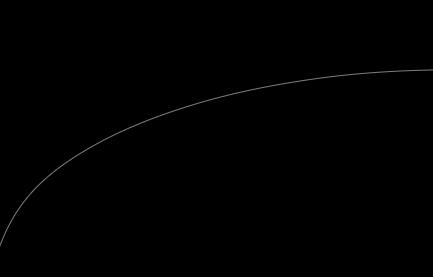
Logarithms, useful for all sorts of mathematical reasons, look like this.
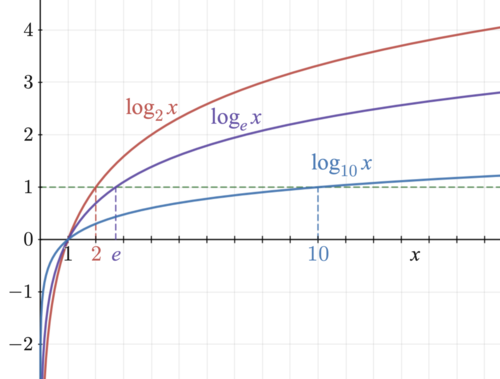
Limits, which we need for calculus, rely on this type of horizontal asymptote.
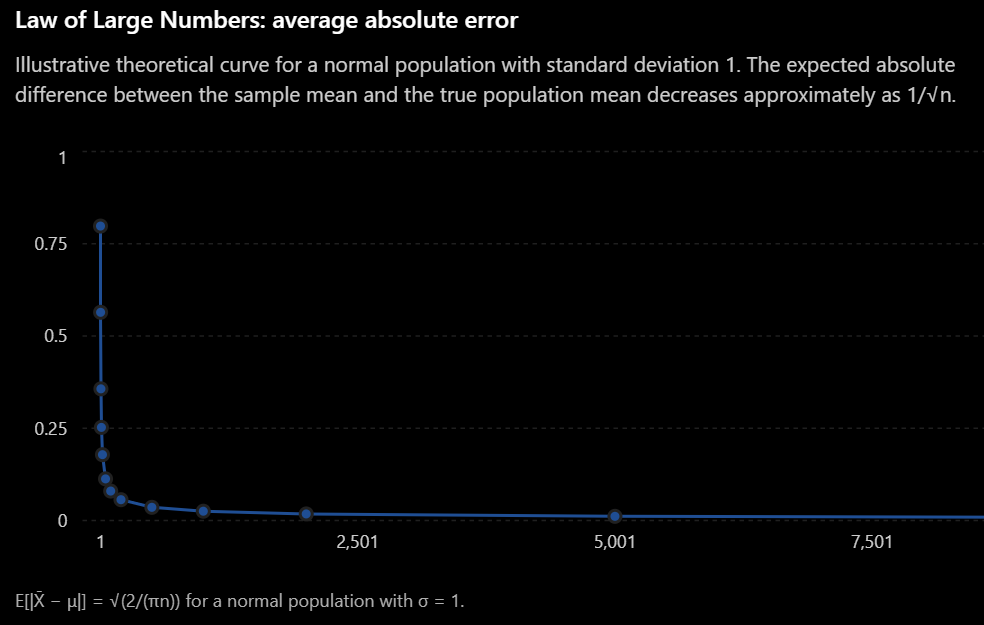
In statistics, limits and convergence are paramount. Most Big Important Statistical Laws - the Central Limit Theorem, the Law of Large Numbers, maximum likelihood estimation, etc. - rely on the concept of limits.
From Theory to Practice
That which is theorised in statistics is reflected in practical data science.
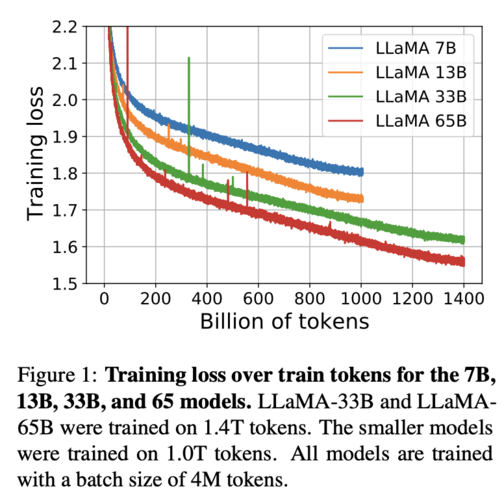
In machine learning we see this curve, or its inverse, everywhere.
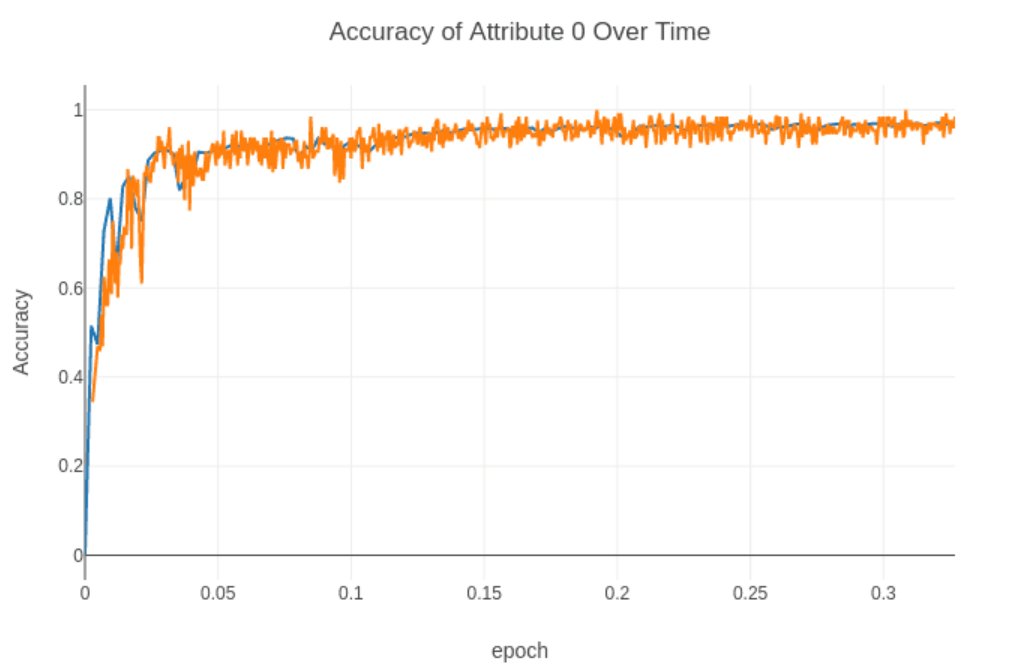
Which leads to the following concept we also see everywhere: diminishing marginal returns. As you move from left to right, yes sure you do increase in your y-axis value, but the rate at which you do so decreases, such that, at the limit, you hit a horizontal asymptote, at which point your growth rate AKA the gains in y = 0.
This is a very important concept in science, economics, and life.
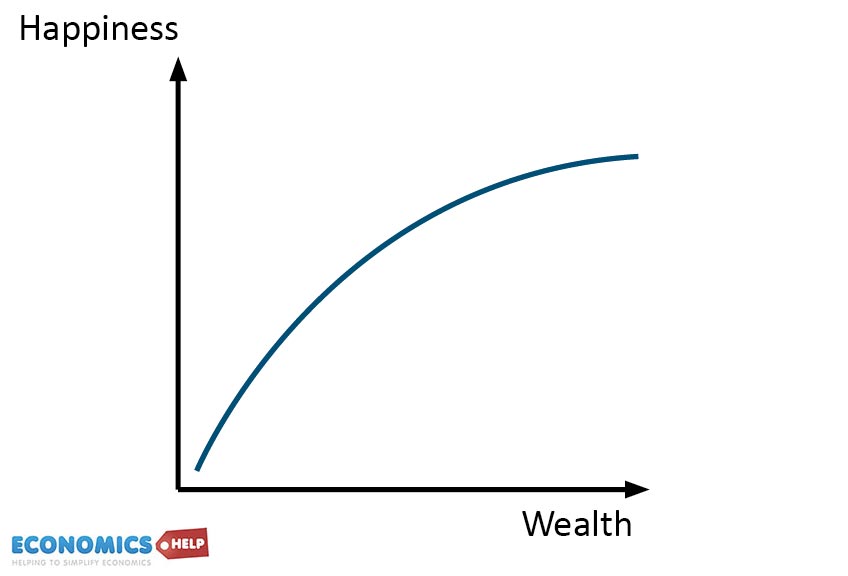
In economics, we see it everywhere, from diminishing marginal utility to tax rates.
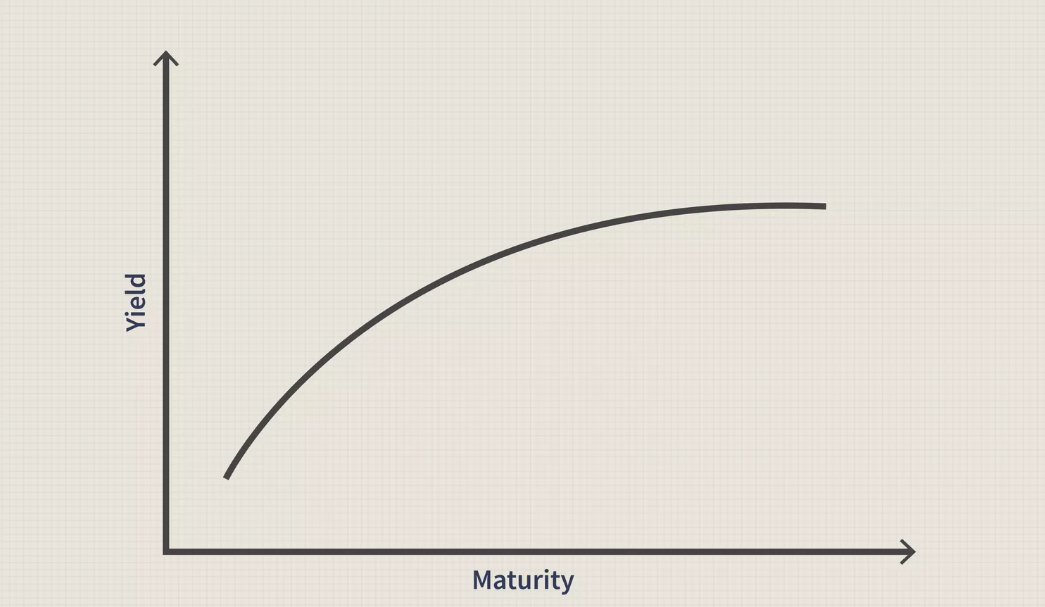
In biology, from photosynthesis to evolution.
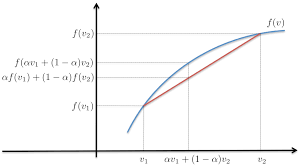
Diminishing marginal gains naturally leads to the concept of effective use of resources. If I have two variables that affect my y with curves like this, medium-sized gains in both - as opposed to a large gain in one - will lead to larger changes in y. This is Jensen’s Inequality in action.
So if you’re trying to make progress - in anything - you better make sure you know if you’re being affected by Reality’s Gravity, or not.